Understanding the Spleen: Structure and Function Explained

Table of Contents:

  1. Introduction
  2. Location
  3. External features Macroscpic Feature 
    1. Relation of the Spleen
  4. Histology
    1. Blood supply
    2. Lymphatic drainage
    3. Venous drainage
    4. Nerve Supply
  5. Functions
  6. Clinical

Introduction

The spleen is the largest wedge-shaped, dark purple-colored lymphatic organ of the lymphoid system, and it is connected to the vascular system. It is highly vascular. Its structure is similar to a large lymph node.

Measurements –length-5inches, breadth-3 3 inches,thickness-1 inch. Weight(average) is only 7 ounces.

Spleen performs multiple functions, although it is not essential for survival ,it is vital for healthy life. Dysfunctions of spleen will produce serious problems.

Location

The left hypochondrium houses the spleen between the fundus of the stomach and the diaphragm.

Behind the mid-axillary line opposite the 9th,10th, and 11th ribs.

External features Macroscpic Feature 

Two ends, two surfaces, two angles, and three boundaries.

Two ends: (1) anterior or lateral end that faces downward and forward, (2) posterior or medial face that faces upward and backward.

Three boundaries: 1. superior,2.inferior, and 3. intermediate.

The superior border is convex and faces and is in contact with the undersurface of the left side of the diaphragm. This has one or more notches called the splenic notch.

The inferior border is rounded and corresponds to the lower border of the eleventh rib.

The intermediate border is round and separates the gastric impression from the renal impression.

Two surfaces-1. The diaphragmatic surface is smooth, convex, and directed upward, backward, and to the left.

1. Visceral surface is concave and irregular and has four impressions 1. Gastric impression is the most significant impression and is due to the fundus of the stomach. It lies between the superior and intermediate border of the spleen.

Renal impression is due to the left kidney. It is present below and behind the gastric impression and lies between the intermediate and inferior boundaries.

The left colic flexure produces a colic impression. It is triangular and situated in front of the lateral end. and

The tail of the pancreas causes the pancreatic impression, which is located between the hilum and the colic impression.

There is a groove through which the splenic artery and nerves enter, and veins and lymphatic exit.

Relation of the Spleen

The spleen is surrounded by peritoneum and suspended by four ligaments.

1. Gastrosplenic ligament- This ligament extends from the hilum of the spleen to the upper one-third of the greater curvature of the stomach. Short gastric vessels are present in this ligament.

2. Splenorenal ligament- This ligament extends from the hilum of the spleen to the anterior surface of the left kidney. Tail of the pancreas, splenic venules, and pancreatosplenic lymph nodes are present in this ligament.

3. Colicosplenic ligament

4. Phrenocolic ligament

The visceral surface of the spleen is related to the fundus of the stomach, the anterior surface of the left kidney, the left colic flexure, and the tail of the pancreas.

Near the middle of the spleen, a long fissure is present, which is known as the hilum.

Penicilliary radicles are arterioles that supply germinal centers.

Develops from mesenchymal tissue, while most of the gut organs are derived from endoderm.

Histology

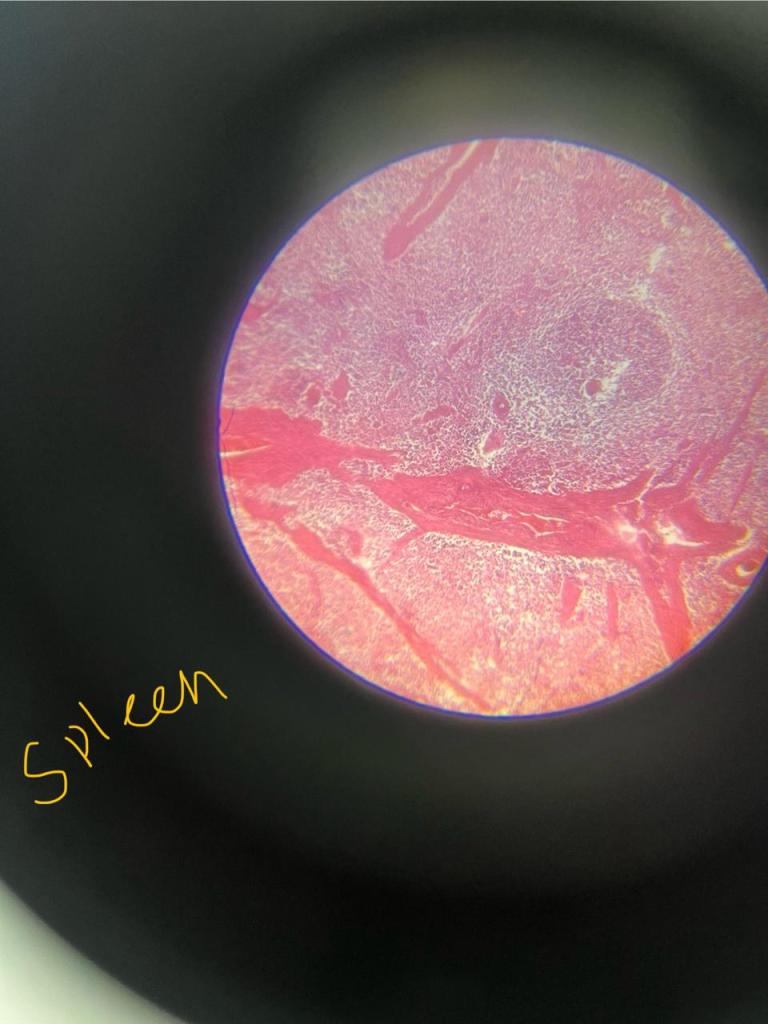
The outer capsule covers the spleen, made up of thick fibrous tissue.

Beneath the capsule, there is a subcapsular space. The spleen contains two different types of tissues, white pulp and red pulp.

The white pulp is white in colour and contains growing immune and blood cells. White pulp is composed of Malpighian corpuscles. These include lymphoid follicles rich in B lymphocytes and periarteriolar lymphoid sheaths rich in T lymphocytes.

The red pulp is red in colour and contains sinuses filled with blood, reticular fibers, and a marginal zone bordering on the white pulp.

Blood supply

The Splenic artery, the largest branch of the coeliac artery, provides the main blood supply. At the hilum, it divides into five or more branches and enters the spleen. Within the spleen, it divides repeatedly into straight arterioles called Penicilliary radicles. The penicilliary radicles supply the germinal centers.

Blood supply of the Spleen

Close theory: capillaries open directly in the venous sinusoids and lie in the red pulp.

Open theory: capillaries open into red pulp from where blood enters sinusoids through their fenestrated wall.

Compromise theory: according to this theory, circulation is open in the distended spleen and closed in the contracted spleen.

Lymphatic drainage

The Spleen has only efferent lymphatic vessels. There are no lymphatics in the proper splenic tissue. The tissue fluid formed in the spleen freely enters the venous sinusoids. However, the splenic lymphatics are present in the capsule, trabeculae, and visceral peritoneum, and drain into the pancreatocoliecal lymph nodes.

Venous drainage

The splenic vein is formed by the confluence of venules at the hilum, which join the superior mesenteric vein to form the portal vein. Its tributaries are 1. the short gastric vein, 2. the left gastroepiploic vein, 3. the pancreatic vein, and inferior mesenteric vein.

Nerve Supply

Sympathetic fibre derived from the celiac plexus supplies smooth muscles present in the blood vessels, as well as in the trabecular cord.[ splenic plexus, which connects a branch of the celiac ganglion to the vagus nerve.

Functions

1. Filtration of blood

2. Reservoir of blood cells

3. Active immune response: cell-mediated and humoral immunity.

4. Produces opsonins, properdin, and tuftsin.

5. Hematopoiesis in the embryo and in case of emergency.

6. Maintains homeostasis.

Clinical

An enlarged spleen is splenomegaly.

Hyperactive spleen is hypersplenism.

Leave a comment

Understanding the Limbic System: Key Functions and Components

Table of Contents

  1. Introduction
  2. Components of the Limbic System
  3. Histology
  4. Connections
  5. Functions

Introduction

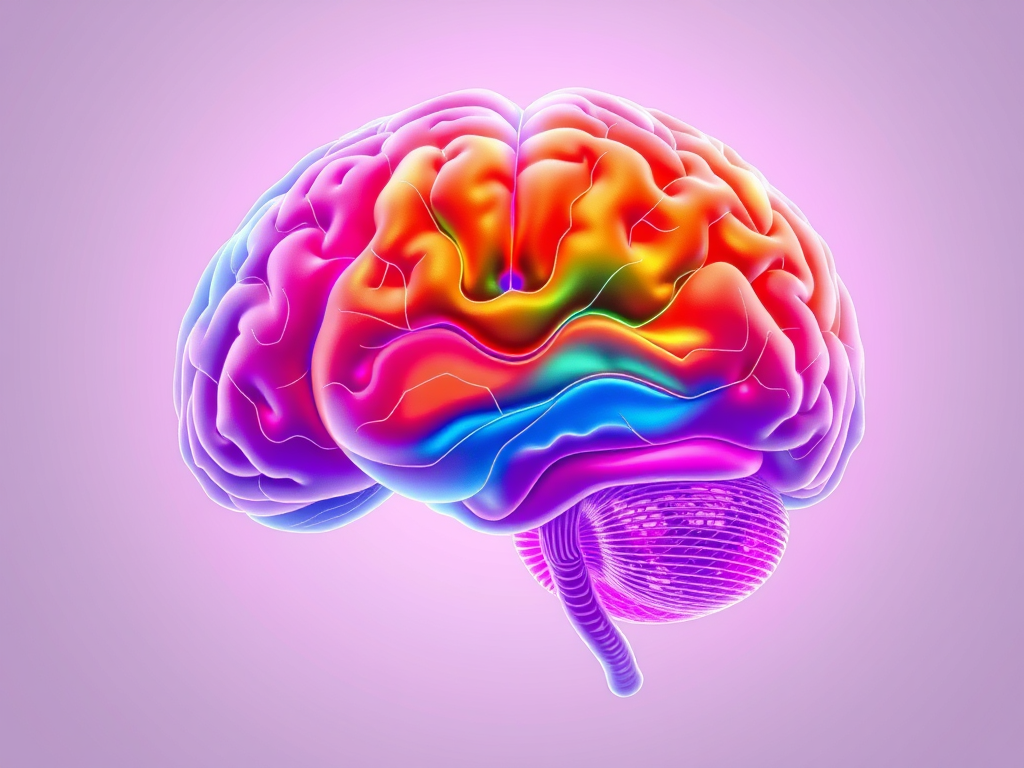
The limbic system is derived from the word ‘Limbus’, meaning a ring. The word limbic was first used to describe the border structures around the basal region of the cerebrum.

Now the limbic system describes the entire neuronal circuitry that controls emotional, behavioral, and motivational drives and more.

Components of the Limbic System

1. The limbic lobe and the related subcortical nuclei.

The limbic lobe includes the cingulate gyrus, isthmus, hippocampal gyrus, and uncus.

2. The related subcortical nuclei are the hypothalamus, amygdala, septal nuclei, portion of the basal ganglion,paraolfactory area, and anteriorthalamic nucleus.

The hypothalamus is located in the middle of all these structures and plays a vital role in the limbic system.

The limbic cortex surrounds these subcortical limbic areas. The limbic cortex is composed of a ring of cerebral cortex on each side of the brain. The limbic cortex begins.

1. In the orbitofrontal area on the ventral surface of the frontal lobes,

2. Extends upwards into the subcallosal gyrus,

3. Then over the top of the corpus callosum onto the medial aspect of the cerebral hemisphere in the cingulate gyrus, and finally

4. Passing behind the corpus callosum and downward onto the ventromedial surface of the temporal lobe to the parahippocamal gyrus and uncus.

The neocortex sits with the legs on each side of the limbic system, like a rider on a horse without complete control. It can modify emotional behavior, but cannot initiate or terminate emotional behaviors.

Histology

The limbic cortex is made up of Allocortex (allo means old). The limbic cortex is the phylogenetically oldest part of the cerebral cortex.

Connections

The limbic cortex functions as a two-way communication and association linkage between the neocortex and the lower limbic structures.

1. Reticular nuclei in the brainstem and their associated nuclei

2. Medial forebrain bundle- main

3. Through short pathways among the reticular formation of the brainstem, thalamus, hypothalamus, and other areas of the basal brain.

Functions

1. Controls autonomic functions

2. Emotional behaviours like pleasant or unpleasant, reward or punishment, satisfaction or aversion.Emotion of rage, fear.

3. Motivation.

4. Memory.

Leave a comment

Why Anatomy is Essential for Medical Professionals

In this article, we will explore anatomy, which encompasses various aspects of the human body and life sciences.

My mission is to provide trustworthy, recent health information to the general public, patients, and professionals worldwide.

Table of contents

  1. Introduction
  2. The history
  3. Who conducted the first systematic, documented human dissection?
  4. The Present
  5. The Future:
  6. Why study Anatomy?
  7. Importance
  8. Scopes in anatomy
    1. Take Home
    2. Conclusion:
    3. References

Introduction

Human anatomy is a branch of science that explains the structure of the human body. In human anatomy, we study the macroscopic and microscopic structures of the human body, how it is formed, and how these structures work synergistically.

The human body has long fascinated lovers, poets, scientists, physicians, and philosophers. Everyone wants to know what is inside the skin and an innocent face. Anatomy clears doubts and produces a detailed picture of the human body.

Anatomy originates from the Greek words’ ana’, meaning ‘up’, and ‘tome’, meaning a cutting. The study of anatomy involves dissecting an organism.

The study of human anatomy has been ongoing for time immemorial; however, documents indicate that the study of anatomy began approximately 2000 years ago.

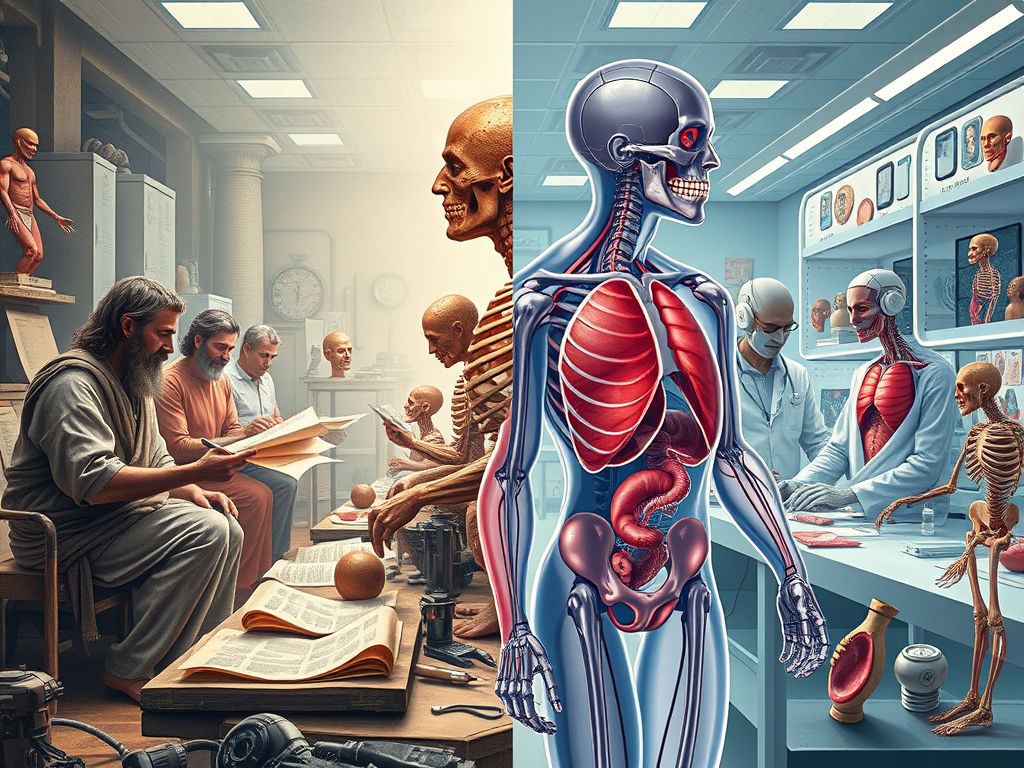
Anatomy evolved from beliefs about the human body, based on earlier texts with limited observation, to evidence-based facts, dissections, and modern digital models. This field not only underpins medical education but also plays a vital role in diagnostics, surgery, and biomedical research.

The study of anatomy is divided into

1. Gross anatomy: Studies the macroscopic structure of the body, which is divided into

Regional anatomy

Surface anatomy and

Systemic anatomy.

2. Microscopic anatomy: Examines the microscopic structure of tissues, histology, and Cytology, the study of cells.

3. Embryology –Development of the embryo.

4. Developmental anatomy: Explores the development and growth of the human body.

5. Comparative anatomy: Compares the anatomy of different species.

6. Surgical anatomy.

The history

The study of human anatomy has been ongoing for time immemorial. Early records from Egypt (around 1600 BCE) describe anatomical knowledge from mummification.

However, it was the Greeks who first began systematic studies. Hippocrates stressed the importance of observation. Later, Galen, a Roman physician, advanced anatomical understanding by dissecting animals. His work dominated European medical thought for over a thousand years.

Who conducted the first systematic, documented human dissection?

Herophilus of Chalcedon, with his junior Eresistraus of Ceos, performed the first systematically documented human dissection. And challenged prevailing beliefs about the human body, based on earlier texts with limited observational data. Their findings lay the foundation for the future of anatomical studies and influence the study of anatomy for centuries to come.

In India, Pandit Madhysudan Gupta (1800- 1856) performed the first human dissection at Calcutta Medical College in 1836.

The actual breakthrough came during the Renaissance. Andreas Vesalius, a Flemish anatomist, challenged long-held Galenic views. In 1543, his landmark work De humani corporis fabrica revolutionized anatomy by advocating for human dissection and the use of accurate illustrations. This period marked the birth of modern anatomy as a scientific discipline. Leonardo da Vinci and others made significant contributions to the field of anatomical illustration and understanding.

Vesalius is considered the father of anatomy.

The Present

Dissection of cadavers is the foundation of medical education, providing hands-on experience and an appreciation for human variation.

A histological study of slides reveals the microscopic structure of an organ.

Modern imaging techniques, such as ultrasound, MRI (Magnetic Resonance Imaging), and CT (Computed Tomography), have improved the teaching method of anatomy. These non-invasive tools enable the detailed visualization of internal structures in living patients, thereby enhancing diagnostics and surgical skills.

Virtual anatomy labs, 3D models, and augmented reality (AR) tools now supplement traditional learning. Platforms like the Anatomage Table and apps like Complete Anatomy provide interactive ways for students to explore the human body. Moreover, the plastination technique preserves biological tissues to offer lifelike specimens for study and display.

The Future:

The future of human anatomy promises exciting developments driven by technology and interdisciplinary collaboration.

Artificial intelligence (AI) is being integrated into radiology and surgical simulation, enabling real-time anatomical recognition and predictive modelling.

3D bioprinting is another frontier. Researchers are already printing tissues and organ prototypes using living cells, potentially revolutionising transplantation and regenerative medicine. This requires detailed anatomical precision, linking anatomy directly with biotechnology.

Genomic and molecular anatomy will gain importance, as microscopic structural changes are linked to genetic expressions and diseases. Functional and systems-level anatomy will also expand, integrating physiology and anatomy for a holistic understanding of the body.

In education, fully immersive virtual reality (VR) environments may soon replace or augment cadaveric dissection, especially in regions with limited resources. Global access to high-quality anatomical education through online platforms could help bridge disparities in medical training.

Why study Anatomy?

1. Medical education: Anatomy is a fundamental subject in medical education.

2. Surgery: Anatomical knowledge is crucial for surgical procedures.

3. Research: Anatomy provides various fields for research.

4. Clinical practice: Understanding anatomy is essential for diagnosis and treatment.

Importance

1. Understanding human structure: A Clear concept of Anatomy provides a foundation for understanding the human body’s structure and function.

2. Informing medical practice: Anatomical knowledge informs medical practice, from diagnosis to treatment.

3. A clear concept of anatomy is essential for aspiring surgeons.

Scopes in anatomy

Anatomy is a primary subject of medical degrees worldwide. Many universities offer bachelor’s, master’s, and doctoral degrees in the field of anatomy.

Anatomy is an essential subject in medical education for M.B.B.S. degrees and is included in the first professional year of the M.B.B.S. curriculum.

B.Sc. Programs. M.Sc. and PhD anatomy courses are available in many universities.

An anatomist may get posted in medical colleges as a tutor, assistant, associate Professor, or Professor and dean.

An anatomist may pursue research work and may start private fitness clinics. Anatomists can work in various clinical settings, such as fitness centers, community organizations, and corporate settings.

As anatomy advances, several jobs are likely to increase in demand. Many career opportunities exist in physiology.

Promising career

An anatomist has a bright career. Anatomy has a promising future, with the advancement of science and technology, and it is developing rapidly. The human body is a highly complex system, and simulations may not fully capture its intricacies.

Take Home

The scope of anatomy is broad, and its applications are diverse, making it a fundamental discipline in medicine and biology.

Conclusion:

As we move forward, anatomy will remain a pillar of medicine, constantly reshaped by innovation, ensuring better care and deeper insight into the human form.

Thank you very much for reading. I appreciate that you took the time to spend with us. If you enjoyed reading, I’d appreciate it if you could do me a small favor. Please leave a review or a comment. Your comments will encourage other folks to read. Thanks for reading.

Leave a comment

References

Thanks to AI,

Thanks to my teachers and the authors of the books I have studied, from which I have learned a great deal.

Disclaimer:

All possible measures have been taken to ensure the accuracy and reliability of the information; however, ‘learn-and-fly.co.in’ does not accept any liability for the use of the information supplied by the website by its viewers. The information is provided as an educational service and for public awareness. It is not medical advice. We recommend reviewing a reference book in case of any doubt, for more accurate and advanced knowledge.

Written by Priynka Kumari, M.Sc.(Anatomy) Facts verified by Dr. B.K. Prasad, Professor.

Leave a comment

Understanding Human Physiology: Past, Present, and Future

This article describes physiology, with a special focus on human physiology and its various branches. Here, learn about the past, present, future, and scope of physiology. In short, physiology refers to the study of living organisms.

My mission is to provide trustworthy, recent health information to the general public, patients, and professionals globally.

  1. Past: Developments of human physiology
  2. Present: Integration of Physiology with Modern Science
    1. Physiological function depends on
    2. Branches of Physiology:
  3. Future: Digital, Personalised, and Predictive Physiology
  4. Scopes in physiology
  5. Promising career
    1. Take-home message

Introduction:

Physiology refers to the study of the functions of living organisms. It is divided into many branches. We are concerned with Human Physiology. In Physiology, we learn about the mechanisms that control body functions.

Physiology is the branch of biological science that deals with the functioning of living organisms. It also describes the organs that initiate and control these functions.

A French physician, Jean Fernel (1497-1558), introduced the word “physiology” for the first time.

The word “physiology” is derived from a Greek word with a Latin equivalent, “Physiologia,” which means natural knowledge. Physiology comes from two words: physis, meaning ” nature”, and logia, which means” study”.

The ancient Greek phrase” nature origin” and its study indicate an innate scientific understanding of a living body’s station, functions, and mechanisms.

Physiology is the branch of life science that deals with body functions and how these functions occur in a controlled manner. It also describes the organs that initiate and maintain these functions.

A living organism comprises different organs that respond to environmental changes to survive. Body organs function in such a way that mild variations in the external environment cannot alter the body’s internal environment, which is maintained within a normal range by a mechanism known as homeostasis.

Past: Developments of human physiology

The study of human physiology has been ongoing for time immemorial. The first authentic available record is found in the Sushruta Samhita and Charak Samhita, dating back to around 600 BCE. They proposed that vata, pitta, and kapha regulate the body’s functions.

Documents reveal that the study of medical or human physiology started at the time of Hippocrates, i.e., late 5th century BC, in Greece.

Later, many scientists, philosophers, and thinkers contributed to the development of physiology. Some of them are Galen, Aristotle, Claude Berard, Walter B. Cannon, and many others.

However, their knowledge was speculative and descriptive, lacking scientific experimental support.

A breakthrough came with Galen (129–200 AD), a Roman physician who performed animal dissections and produced detailed anatomical and physiological texts. However, many of his theories were eventually discarded with the advent of new scientific procedures and technology.

William Harvey and many others in the 17th century revolutionised physiology by describing the functions of many organs and systems supported by experiments.

Present: Integration of Physiology with Modern Science

A living organism is composed of many different organs that respond to changes in both its internal and external environments. Any shift in physiology will impact an individual’s physical and mental functions. The study of physiology focuses on the organs, systems, and the biological basis of the human body’s operations.

Physiological condition refers to the normal function of the body, while pathological condition refers to altered physiology, or abnormal conditions.

Physiological function depends on

1. Biophysical processes

2. Biochemical processes,

3. Homeostatic control

4. Rapid and precise communication between cells occurs in various ways, for example, through chemical and electrical methods.

Animal experiments have provided deep knowledge of human physiology. Physiology is a core component of medical studies worldwide, and many universities offer bachelor’s, master’s, and doctoral degrees in the field of physiology.

Modern human physiology encompasses biology, physics, and chemistry, enabling a precise understanding at the cellular, tissue, organ, and systemic levels.

Today, physiology is not limited to describing functions but explaining them through evidence-based mechanisms.

Branches of Physiology:

1. Cellular and Molecular Physiology:

Cellular and molecular physiology explores the roles of ion channels, neurotransmitters, hormones, and genes in regulating various bodily functions.

2. Systems Physiology:

Cells form organs, and organs form systems such as the nervous, cardiovascular, respiratory, renal, endocrine, gastrointestinal, and reproductive systems. Systems Physiology is now studied with integrated perspectives.

3. Diagnostic and Imaging Advances:

Technologies such as MRI, CT scans, PET scans, echocardiography, and EEG enable the real-time observation of physiological processes. These tools provide insights into how systems respond normally.

4. Computational Physiology:

Physiological data is now being analysed through mathematical models and simulations. This computational approach facilitates the prediction of outcomes, simulation of diseases, and testing of potential treatments, thereby reducing reliance on invasive procedures or animal models.

5. Education and Research:

In medical education, physiology is taught not only as an academic subject but as a clinical science. It forms the backbone of medical science. Modern teaching aids, including the use of simulations, virtual labs, and interactive models, have significantly enhanced learning and retention.

6. Sports physiology:

Sports physiology deals with the study of the physiological challenges associated with sports. And how to deal with them in an integrated manner.

7. Genetic counselling:

Nowadays, genetic counselling is available to prevent many hereditary diseases.

Future: Digital, Personalised, and Predictive Physiology

The future of human physiology lies at the intersection of advanced technologies, artificial intelligence, genomics, and personalised medicine. The coming decades promise profound transformations in how we understand and apply physiological principles.

1. Artificial Intelligence:

AI can analyse massive physiological datasets, such as ECG recordings, imaging scans, and genetic data, to identify patterns and predict health outcomes.

2. Machine learning models will assist in diagnosing conditions like arrhythmias, respiratory failure, or hormonal imbalances based on real-time physiological inputs.

3. Personalised Physiology and Genomics:

Understanding the human genome has opened the door to personalised medicine. Future physiology will not generalise bodily functions but will consider an individual’s genetic, epigenetic, and environmental factors.

4. Bioengineering and Artificial Organs:

Bioengineered tissues or artificial organs may replicate physiological functions.

Organs-on-chips and 3D bioprinting aim to mimic real physiological responses, offering potential solutions for organ failure. Research is ongoing into bionic limbs that respond to nerve impulses, replicating natural movement.

5. Devices and Remote Monitoring devices at affordable prices are available:

Smartwatches, pulse oximeters, and biosensors are used to measure heart rate, oxygen concentration, respiratory rate, and blood glucose levels. Digital blood pressure machines enable you to measure your blood pressure accurately. These machines are available at affordable prices.

Devices to monitor additional parameters, such as hormone levels, electrolyte balance, and blood pressure in real-time, are in development.

6. Space and Extreme Physiology:

As humans venture into space and colonise new environments, understanding how extreme conditions affect physiology will become crucial. Microgravity research has already revealed changes in bone density, cardiovascular function, and immunity. Future studies will investigate methods for preserving human physiology under such conditions.

7. Neurophysiology and Brain-Machine Interfaces:

Neurophysiology is rapidly advancing with the development of brain-machine interfaces. Devices like Neuralink aim to decode brain signals to control prosthetics or communicate directly with computers. Such breakthroughs could revolutionise care for patients with paralysis or neurodegenerative disorders.

Scopes in physiology

Physiology is a primary subject of medical degrees worldwide. Many universities offer bachelor’s, master’s, and doctoral degrees in the field of physiology.

Physiology is an essential subject in medical education for M.B.B.S. degrees and is included in the 1st professional curriculum of M.B.B.S.

B.Sc. M.Sc. and PhD physiology courses are also available in many universities.

A physiologist may get posted in medical colleges as a tutor, assistant, associate Professor, or Professor.

Exercise physiology is the study of human physical activity and exercise. The word exercise comes from the Latin word drive forth.”

Exercise has been considered essential to human health for thousands of years in ancient cultures. The Greek physician Hippocrates recognized the importance of exercise and advocated for daily physical activity to maintain good health.

Many career opportunities exist in exercise physiology.

As physiology advances, several jobs are likely to increase in demand.

An exercise physiologist may pursue research work.

Physiologists can work in various clinical settings,

including fitness centers, community organizations, and corporate fitness.

Sports physiologists may start private fitness clinics.

A physiologist may also begin their general clinic.

Hospitals, community facilities, industries, and nursing homes may employ clinical physiologists.

Promising career

A physiologist has a promising career.

Physiology has a promising future, but it faces multifaceted challenges. With the advancement of science and technology, physiology is evolving rapidly. Integrating massive datasets requires strict data privacy protocols. The human body is a highly complex system, and simulations may not fully capture its intricacies.

Ethical concerns also surround interventions like gene editing or neural implants.

Take-home message

A persistent quest to understand life causes the evolution of human physiology.

Physiology is a fascinating and dynamic subject that underpins translational and clinical medicine, as well as the interface between the physical and life sciences. By studying human physiology, we gain insight into how the body maintains normal health and responds to and adapts to challenges in both internal and external environments.

Today, physiology is more integrated, evidence-based, and technologically empowered than ever. It is developing very rapidly.

Looking forward, it will become even more personalised, predictive, and digital, shaping the future of healthcare and medical science.

For M.B.B.S. students and aspiring doctors, mastering physiology is not just about passing exams — it is about developing a scientific foundation that will support every future clinical decision.

Hashtags: Hippocrates # homeostasis # exercise #physiology # sports physiology# divisions #clinical# scopes #

Internal Link: https://blog.totalphysiology.com/2022/01/homeostasis external-internal.html

External Link:

1.https://en.m.wikipedia.org/wiki

2. Entin, Pauline (n.d.)”ABrie” History of ExercisePhysiolPhysiology’rn Arizona University Retrieved 2017-06-30 from

http://jan.ucc.nau.edu/pe/exs336historyVA1.htm.

3. Ivy.John L.(2007). Exercise Physiology: Brief History and Recommendations Regarding Content Requirements for the Kinesiology Major. 59:34-411.